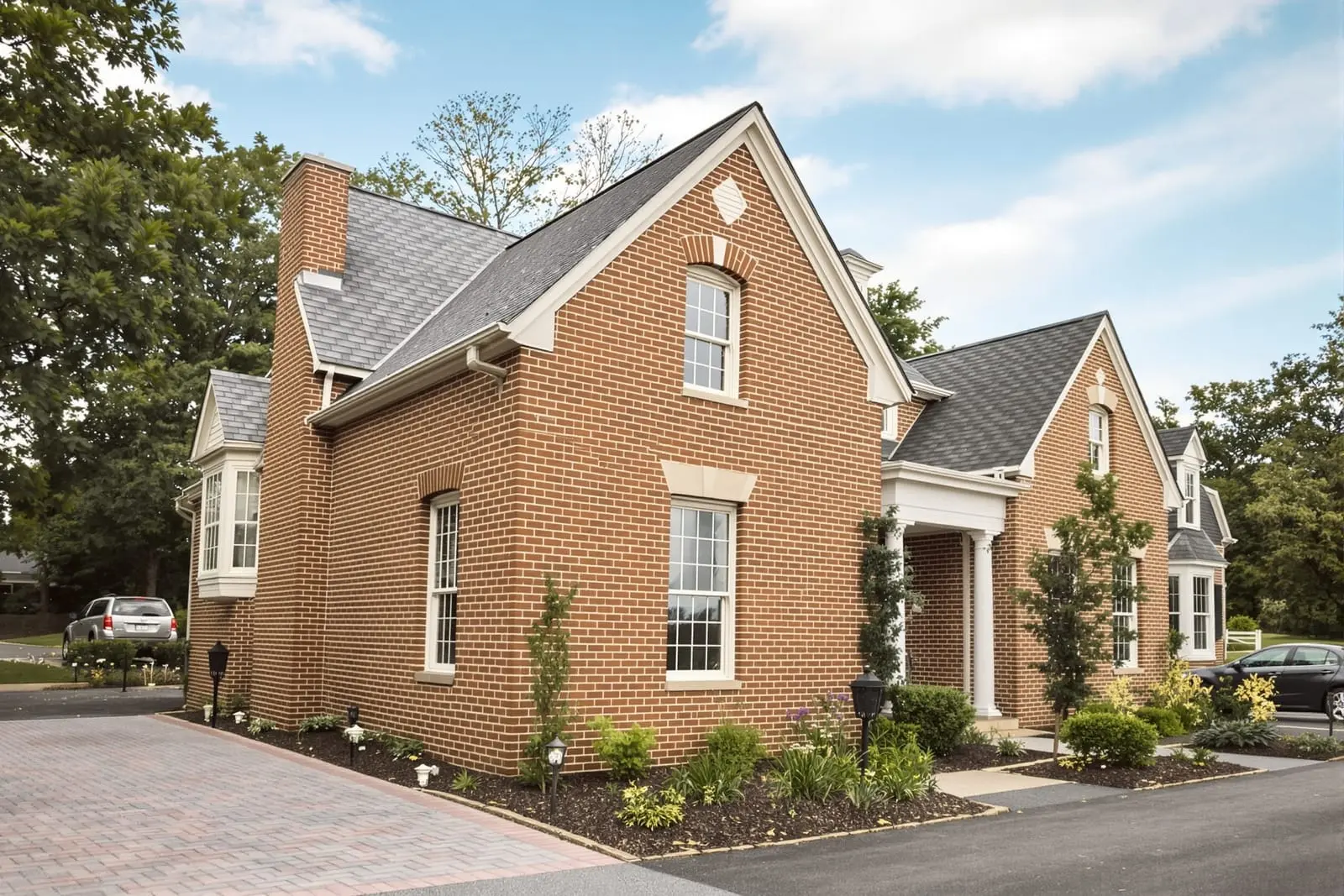
Our commercial brick masonry services in Murfreesboro, TN support new builds, expansions, and façade upgrades. We install structural and veneer brick for offices, retail properties, and industrial facilities. Crews follow plans, schedules, and safety standards. Partner with experienced commercial brick masons for your next project.
Premier Masonry Murfreesboro provides professional commercial brick masonry throughout Murfreesboro, TN and the surrounding area. Our licensed, insured crew delivers safe, clean, on-time work with a free estimate before anything begins. Call (615) 751-0125 or request your free quote.
Commercial brick masonry for Murfreesboro properties
Commercial brick masonry in Murfreesboro is not just about stacking bricks. It is about building structures that handle daily use, Middle Tennessee weather, and local code requirements without becoming a maintenance problem. Premier Masonry Murfreesboro focuses on durable, straight, and clean commercial work that passes inspections and still looks sharp years later.
We handle storefronts, office buildings, retail centers, medical offices, schools, churches, and light industrial projects throughout Murfreesboro and surrounding Rutherford County. Whether you need a new brick facade on a shell building, structural brick walls, or repairs to an older brick commercial property, we plan the work around your operations so you can keep tenants, staff, and customers moving.
Our commercial brick masonry services cover new construction, additions, veneer and cavity wall systems, brick columns and piers, trash enclosures, stair towers, elevator shafts, and detailed entry features. We coordinate with your GC, architect, and other trades so our work ties into structural steel, roofing, glazing, and site concrete with clean transitions and reliable anchoring.
How a commercial brick masonry project actually runs
Premier Masonry Murfreesboro follows a clear process on every commercial brick masonry job so owners, GCs, and property managers know what is happening on site.
1. Site review and documents: We start by walking the site and reviewing your construction documents. If you are still in design, we help your architect or engineer fine tune brick types, wall thicknesses, control joint layout, anchoring, and flashing details so the design matches your budget and schedule.
2. Submittals: Before work starts, we prepare brick, mortar, anchor, and flashing submittals for approval, including color ranges and sample panels when needed. This is when we confirm compatibility with adjacent cladding like EIFS, fiber cement, CMU, or metal panels.
3. Layout and staging: On site, we lay out wall lines, coursing heights, and openings. We plan scaffold placement, material staging, and forklift paths so other trades can still access their work areas. Good staging is critical on tighter Murfreesboro sites, especially along busy corridors like Medical Center Parkway or near the Square.
4. Wall construction: Our crews install backup (if required), brick ties, weep systems, and through wall flashings, then begin laying brick in consistent courses. We monitor plumb, level, bond pattern, and joint width continuously. Mortar is mixed in controlled batches to maintain color and strength.
5. Detailing and cleanup: Once wall sections cure enough for tooling and cleaning, we strike joints for water shedding and appearance, then use appropriate cleaners so the brick is bright without etching or streaking. We protect adjacent glass, finishes, and sidewalks from splatter and acid runoff.
6. Punch list and closeout: At the end, we walk the project with the owner or GC, address punch list items quickly, and supply any required documentation, such as material data sheets, maintenance notes, or warranty information for the commercial brick masonry scope.
Brick and mortar options for commercial projects
Commercial brick masonry offers far more options than many property owners realize. The right combination of brick, mortar, and bond pattern can change a basic building into something that stands out without blowing the budget.
Brick types: In Murfreesboro, most commercial projects use modular or queen size brick because they coordinate well with typical window and door dimensions. We can source wirecut, sand molded, tumbled, or smooth face units. For medical offices or professional buildings that need a cleaner look, we often recommend smooth or lightly textured face brick in tight color ranges.
Colors and blends: Local developments often call for earth tone blends, such as buff, tan, and light red, but we can also supply darker ranges for modern retail and restaurant spaces. When tying into an existing center, we can match or closely blend the existing brick so new tenant build outs do not look like patchwork.
Mortar choices: Mortar color and profile affect the overall look more than most owners expect. Standard gray can mute color variations, while buff or colored mortar can highlight specific tones. We discuss joint profiles (concave, V, raked, or flush) based on exposure and water shedding needs. For most commercial exteriors in Middle Tennessee, a concave joint is best for durability and moisture resistance.
Patterns and details: Running bond is the workhorse pattern for commercial brick masonry, but we also install stack bond accent bands, soldier courses over windows and doors, and projected brick for shadow lines and branding features. Corner returns, sign panels, and pilaster accents are planned early so structural support and brick layout align.
What drives cost in commercial brick masonry
Premier Masonry Murfreesboro builds budgets based on real field conditions, not guesswork. When you understand what drives cost in commercial brick masonry, you can make smarter design and scheduling choices.
Wall area and complexity: The main cost factor is square footage of wall area, but complexity can impact labor more than size. Multiple offsets, narrow piers, and frequent openings slow production. A long, straight facade is faster and more economical than several short segments with many returns.
Height and access: Taller walls need more scaffolding, fall protection, and material handling, which increases labor and equipment costs. On tight downtown Murfreesboro lots or near active streets, we may need specialty scaffolding or off hours deliveries, which can affect pricing.
Brick selection: Common modular face brick from standard lines are cost effective. Custom colors, special shapes (bullnose, sills, corners), and thin brick systems generally cost more. On a budget sensitive project, we can often keep the main field brick economical and use small quantities of accent units for visual interest.
Substrate and coordination: If brick is applied as a veneer over CMU or framed walls, the condition and accuracy of the backup matter. Wavy or out of plumb substrates slow down our work because we must adjust coursing to keep the visible brick straight. Good coordination with the framing or block crews helps keep costs under control.
Schedule and season: Working through winter freezes or peak rainy periods can lower productivity and require protection for fresh mortar. Whenever possible, we recommend scheduling large exterior brick scopes for spring or fall in Murfreesboro, when temperatures are moderate and overnight lows stay above freezing.
Local conditions and timing in Murfreesboro
Middle Tennessee weather has a direct impact on commercial brick masonry planning. Understanding this helps prevent delays and quality issues.
Temperature: Mortar performance depends on temperature. In summer, high heat and direct sun can cause mortar to dry too quickly, which weakens the bond and leads to hairline cracking. We adjust mix water, use shading when necessary, and limit wall exposure to harsh afternoon sun on sensitive elevations. In winter, if temperatures drop toward freezing, we must use cold weather procedures such as heated water, protected materials, and occasional work stoppages if conditions become unsafe.
Rain and moisture: Murfreesboro often sees fast moving storms. If fresh brickwork gets saturated, mortar joints can wash out or stain. Premier Masonry Murfreesboro tracks local forecasts, and we stage wall sections so unfinished tops can be covered quickly. We also use proper through wall flashings, end dams, and weeps so the wall drains and dries properly over the life of the building.
Soils and foundations: While brick masonry itself sits on structural elements designed by your engineer, local soil conditions influence settlement and movement. We follow engineer details for control joints, shelf angles, and expansion gaps so the brick skin can move slightly without cracking when the structure responds to soil or temperature changes.
Common commercial brick issues and how we prevent them
If commercial brick masonry is not detailed and installed correctly, owners often deal with water infiltration, staining, and cracking. Premier Masonry Murfreesboro focuses on preventing these issues from the start.
Water leaks: Most leaks occur at window heads, sills, roof tie ins, and shelf angles, not in the middle of the wall. We carefully install flashing with continuous end dams, seal penetrations, and maintain proper weep spacing. We coordinate with window and roofing trades so their work does not compromise moisture paths.
Efflorescence and staining: White salt deposits on brick, called efflorescence, are usually the result of trapped moisture and soluble salts. We reduce this risk by using clean sand and water, proper flashing and weeps, and breathable sealants where appropriate. If efflorescence appears on older buildings, we can clean it using manufacturer approved methods that will not damage the brick face.
Cracking and movement: Small hairline cracks can be cosmetic, but continuous cracks often indicate missing or misplaced control joints, or structural movement. On new work, we place joints as shown in the design and advise the team if brick spans or openings suggest joint adjustments. On repair projects, we may recommend cutting in new control joints, repointing failed areas, or reinforcing localized sections.
Spalling and face popping: Freeze, deicing salts, or poor quality units can cause brick faces to pop or spall over time. In Middle Tennessee, this often appears near grade or in areas exposed to splashing from parking lots. We select brick that is appropriate for exposure and use detailing that keeps standing water away from the wall base, such as proper site grading and splash protection.
What Murfreesboro owners should ask before hiring a brick masonry contractor
Choosing the right contractor for commercial brick masonry is as important as the design itself. When you talk with Premier Masonry Murfreesboro or any competitor, here are key questions to ask.
1. Do you have specific commercial experience? Commercial work is different from residential. Ask to see past projects similar to yours, such as retail shells, medical buildings, or schools in Murfreesboro or nearby cities.
2. How do you handle coordination with other trades? Brick ties into structural steel, flashing installed by others, windows, and roofing. Ask how they coordinate sequencing and who attends site meetings so details are not missed.
3. What is your plan for quality control and cleanup? Request a description of how they check coursing, joint size, plumb, and level throughout the job. Ask how they protect adjacent finishes and how they clean the brick at the end. Poor cleaning can ruin good masonry.
4. How do you plan for weather? A capable contractor will describe how they handle hot, cold, and wet conditions in Middle Tennessee and how that may affect your schedule.
5. Can you help with value engineering? Before drawings are final, a knowledgeable masonry contractor can suggest brick options, layout changes, or detail adjustments that save cost without sacrificing durability. At Premier Masonry Murfreesboro, we often join the conversation early so owners get the most value from their commercial brick masonry budgets.
When you are ready to discuss your project, we can review your plans, meet on site in Murfreesboro, and provide a detailed scope and pricing that align with your schedule and performance requirements.
“
Professional commercial brick masonry, done right the first time, quality materials, honest pricing, and results that last.